Tourism plays a significant role in shaping local economies, influencing job creation, business growth, and community development. Understanding how tourism affects economic structures helps policymakers, business owners, and travelers appreciate its broader impact beyond leisure and recreation.
Tourism as an Economic Driver
Tourism generates revenue for local communities through various channels:
- Accommodation: Hotels, hostels, and vacation rentals benefit from increased visitor demand.
- Food and Beverage: Restaurants, cafes, and local markets see higher sales from tourists.
- Transportation: Airlines, trains, taxis, and rental services gain from travel activity.
- Attractions and Entertainment: Museums, parks, cultural sites, and recreational facilities earn from admissions and fees.
The cumulative effect of these activities contributes to the overall economic growth of a region.
Job Creation and Employment
Tourism supports a wide range of employment opportunities:
- Direct employment: Jobs in hotels, restaurants, tour companies, and attractions.
- Indirect employment: Suppliers, construction, maintenance, and service providers benefit from tourism-related demand.
- Seasonal employment: Tourism seasons create temporary job opportunities, helping communities adapt to fluctuating demand.
By providing diverse employment options, tourism strengthens local economies and reduces unemployment.
Boosting Small Businesses and Entrepreneurship
Tourism encourages entrepreneurship by creating markets for local goods and services:
- Handicrafts and souvenirs: Artisans and craftspeople can sell products directly to tourists.
- Guided tours and experiences: Locals can develop unique cultural, adventure, or culinary experiences for visitors.
- Local food markets: Street vendors, specialty shops, and cafes thrive on tourist spending.
Small business growth driven by tourism often results in community empowerment and economic diversification.
You Can Also Read: cultural-etiquette-travel
Tax Revenue and Public Services
Tourism contributes to public revenue through taxes and fees:
- Tourist taxes: Hotels, attractions, and transportation services often include local taxes.
- Sales taxes: Increased spending by tourists boosts government revenue.
- Infrastructure development: Tax revenue from tourism can fund roads, airports, public transport, and utilities.
These financial contributions help maintain and improve community facilities, benefiting both residents and visitors.
Cultural Preservation and Investment
Tourism can incentivize the preservation of local culture and heritage:
- Restoration projects: Revenue from tourism may support the maintenance of historical sites, museums, and landmarks.
- Cultural events: Festivals, performances, and exhibitions gain funding from tourism-related income.
- Education and awareness: Tourism encourages communities to showcase traditional practices, crafts, and customs.
By linking economic incentives with cultural preservation, tourism helps maintain local identity and heritage.
Challenges and Considerations
While tourism boosts local economies, it can also present challenges:
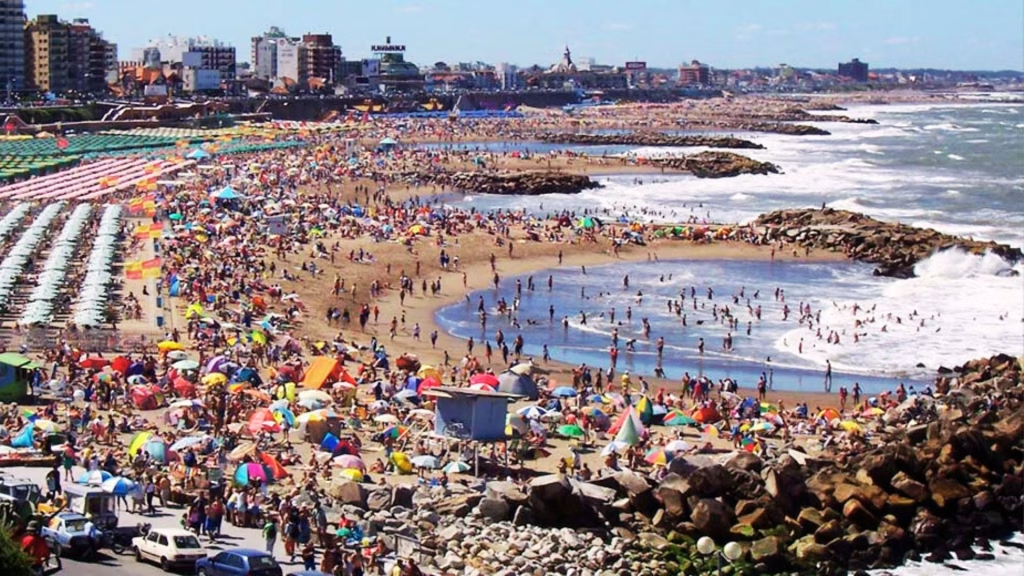
- Overtourism: High visitor numbers can strain resources, infrastructure, and public services.
- Seasonal dependence: Economies heavily reliant on tourism may struggle during off-seasons.
- Inflation and cost of living: Tourist demand can increase prices for locals, impacting affordability.
- Environmental impact: Increased tourism can lead to pollution, habitat destruction, and resource depletion.
Balancing tourism growth with sustainability and community needs is essential for long-term benefits.
Sustainable Tourism Practices
To maximize economic benefits while minimizing negative impacts:
- Promote local businesses: Encourage tourists to buy local products and services.
- Diversify attractions: Develop year-round tourism offerings to reduce seasonal dependency.
- Implement environmental safeguards: Protect natural and cultural resources while accommodating visitors.
- Engage the community: Include residents in planning and decision-making to ensure equitable benefits.
Sustainable tourism practices help communities enjoy economic growth without compromising their culture or environment.
Conclusion
Tourism significantly impacts local economies, providing employment, supporting small businesses, generating tax revenue, and preserving cultural heritage. While challenges like overtourism and seasonal dependence exist, thoughtful planning and sustainable practices can ensure tourism remains a valuable economic driver.
For guidance on leveraging tourism for economic growth, community development, and sustainable practices, platforms like Callscroll provide valuable insights and resources to help businesses, policymakers, and travelers maximize positive impacts.