Hydration plays a critical role in physical performance, affecting strength, endurance, focus, and recovery. Water is essential for nearly every bodily function, including regulating temperature, transporting nutrients, and removing waste. Inadequate hydration can reduce athletic performance, increase fatigue, and even lead to serious health risks. Understanding the role of hydration helps athletes, fitness enthusiasts, and everyday exercisers optimize performance and maintain overall health.
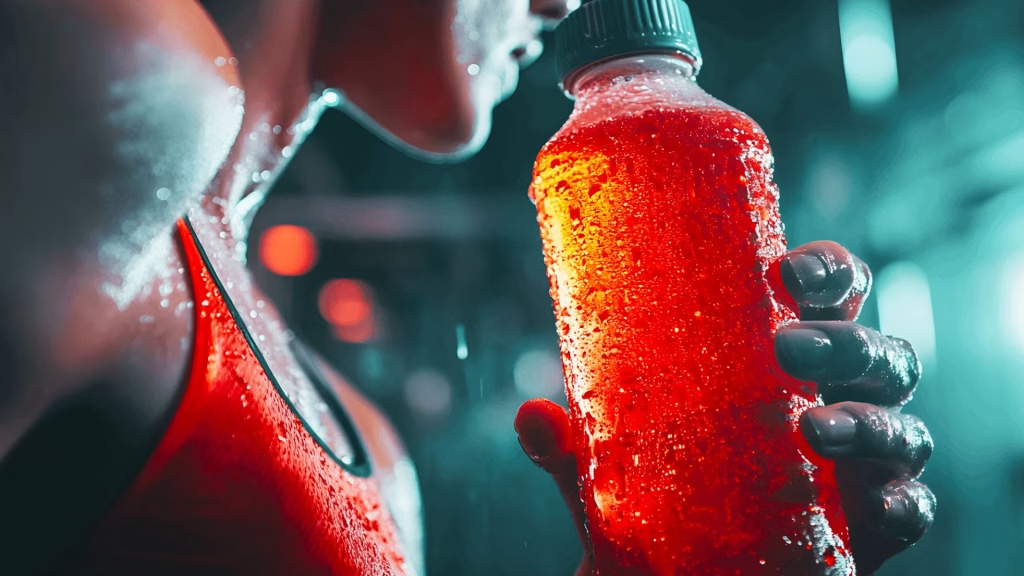
How Hydration Affects the Body During Exercise
During physical activity, the body loses water primarily through sweat. This water loss can impact several physiological functions:
- Temperature regulation: Sweat helps cool the body; dehydration impairs thermoregulation, increasing the risk of heat exhaustion.
- Joint lubrication and muscle function: Proper hydration maintains elasticity in muscles and joints, reducing the risk of cramps and injury.
- Cardiovascular efficiency: Dehydration reduces blood volume, forcing the heart to work harder to deliver oxygen and nutrients to muscles.
- Cognitive function: Even mild dehydration can affect concentration, reaction time, and decision-making, which are crucial in competitive sports.
Signs of Dehydration
Recognizing dehydration is essential to prevent performance decline and health complications:
- Thirst and dry mouth
- Dark yellow urine
- Fatigue or dizziness
- Muscle cramps
- Reduced endurance and strength
Severe dehydration can cause heatstroke, confusion, and fainting, making timely hydration vital.
Hydration Strategies for Optimal Performance
1. Pre-Exercise Hydration
Start workouts well-hydrated:
- Drink 400–600 ml of water 2–3 hours before exercise.
- Avoid excessive caffeine or alcohol, which can promote dehydration.
- Monitor urine color for signs of hydration status.
2. Hydration During Exercise
- Consume 150–250 ml of water every 15–20 minutes during activity.
- For intense workouts lasting over an hour, consider electrolyte-containing beverages to replace sodium, potassium, and magnesium lost through sweat.
- Adjust fluid intake based on temperature, humidity, and individual sweat rate.
3. Post-Exercise Hydration
- Replace fluids lost during exercise by drinking water or electrolyte drinks.
- Monitor body weight changes before and after workouts to estimate fluid loss.
- Combine hydration with nutrient-rich foods for recovery, as water helps transport amino acids, glucose, and other nutrients to muscles.
You Can Also Read: muscle-recovery-after-exercise
Factors Affecting Hydration Needs
Hydration needs vary depending on several factors:
- Exercise intensity and duration: More intense or prolonged workouts increase fluid requirements.
- Environmental conditions: Hot, humid, or high-altitude conditions lead to higher fluid loss.
- Individual physiology: Sweat rate, body composition, and age influence hydration needs.
- Dietary intake: High-protein or high-salt diets may require additional fluids.
The Benefits of Proper Hydration
Maintaining proper hydration offers multiple benefits for performance and health:
- Enhanced endurance and reduced fatigue
- Improved strength, speed, and power output
- Faster recovery and reduced muscle soreness
- Better cognitive function and focus
- Reduced risk of heat-related illnesses
Proper hydration supports the body’s physiological processes, enabling athletes to perform at their best and recover efficiently.
Conclusion
Hydration is a cornerstone of physical performance, influencing endurance, strength, cognitive function, and recovery. Athletes and active individuals must prioritize pre-, during-, and post-exercise hydration, considering factors such as exercise intensity, environmental conditions, and personal physiology. Adequate hydration not only improves performance but also reduces injury risk and supports overall health.
For strategies on optimizing hydration, improving physical performance, and supporting recovery, platforms like Callscroll provide guidance and resources for athletes, fitness enthusiasts, and anyone looking to maintain peak physical condition.