Healthy soil is the foundation of thriving plants. Soil quality influences nutrient availability, water retention, root development, and overall plant health. Understanding how soil properties affect plant growth allows gardeners, farmers, and landscapers to optimize conditions for stronger, more productive plants.
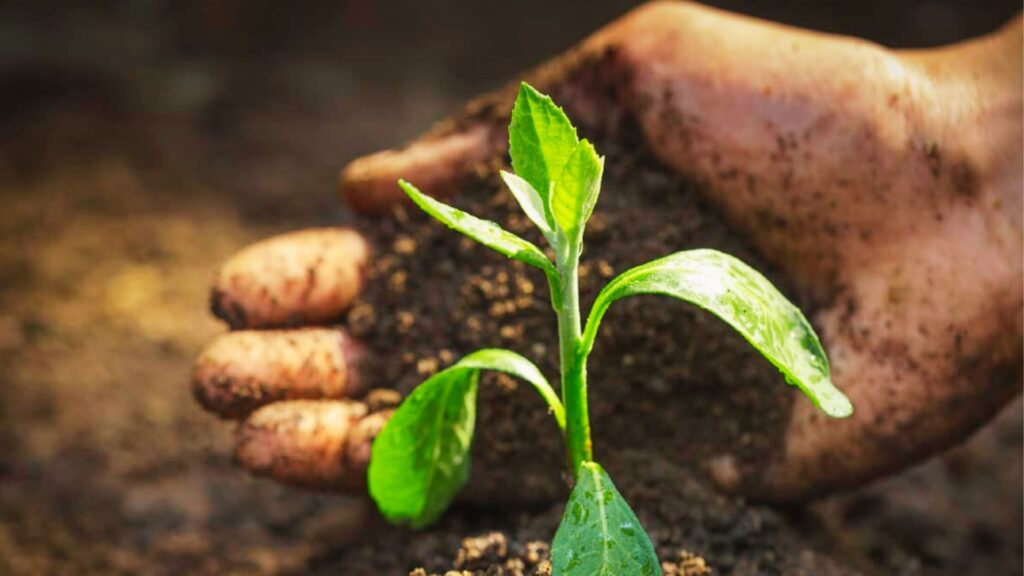
Key Factors of Soil Quality
Several factors determine soil quality and its suitability for plant growth:
1. Nutrient Content
- Essential macronutrients like nitrogen, phosphorus, and potassium are crucial for plant growth.
- Micronutrients such as iron, zinc, and magnesium support enzymatic and physiological processes.
- Deficiencies or imbalances can lead to stunted growth, leaf discoloration, and poor yield.
2. Soil pH
- Soil pH affects nutrient availability and microbial activity.
- Most plants thrive in slightly acidic to neutral soil (pH 6–7).
- Acidic or alkaline soil may lock nutrients, making them inaccessible to plants.
3. Soil Texture and Structure
- Sandy soil drains quickly but may lack nutrients.
- Clay soil retains water but may cause poor aeration and root suffocation.
- Loamy soil, a balanced mix of sand, silt, and clay, provides optimal water retention, drainage, and nutrient availability.
4. Organic Matter
- Compost, manure, and decomposed plant material enrich soil with nutrients and improve structure.
- Organic matter enhances water retention, aeration, and beneficial microbial activity.
- Soils rich in organic matter support healthier roots and higher plant resilience.
5. Microbial Life
- Healthy soil contains bacteria, fungi, and other microorganisms that support nutrient cycling.
- Mycorrhizal fungi improve nutrient and water absorption for roots.
- Soil microorganisms contribute to disease suppression and soil fertility.
How Soil Quality Impacts Plant Growth
1. Nutrient Absorption
Plants rely on soil nutrients for photosynthesis, root development, and flowering. Poor soil reduces nutrient uptake, causing weak growth and reduced productivity.
2. Water Management
- Soil texture and organic matter affect water retention and drainage.
- Well-draining soil prevents waterlogging, which can cause root rot.
- Soil that retains adequate moisture supports consistent growth, especially during dry periods.
You Can Also Read: seasonal-home-care-checklist
3. Root Development
- Soil structure and compaction influence root penetration.
- Loose, aerated soil encourages deep roots, which improve nutrient uptake and drought resilience.
- Compacted or rocky soil restricts root growth, reducing plant stability and access to nutrients.
4. Disease Resistance
- Healthy soil with balanced nutrients and microbial life strengthens plant immunity.
- Poor soil quality can make plants more susceptible to pests, diseases, and environmental stress.
Tips for Improving Soil Quality
- Test Soil Regularly: Check pH, nutrient levels, and texture to identify deficiencies or imbalances.
- Add Organic Matter: Incorporate compost, mulch, or manure to improve fertility and structure.
- Use Cover Crops: Planting legumes or green manure enriches soil and reduces erosion.
- Avoid Over-Tilling: Excessive tilling can damage soil structure and microbial life.
- Adjust pH: Use lime or sulfur to correct soil acidity or alkalinity as needed.
- Rotate Crops: Crop rotation prevents nutrient depletion and reduces soil-borne diseases.
Conclusion
Soil quality is a crucial determinant of plant growth, affecting nutrient availability, water management, root development, and disease resistance. By understanding the key factors of soil health and implementing practices like adding organic matter, adjusting pH, and promoting microbial life, gardeners and farmers can cultivate stronger, healthier plants and higher yields.
For expert guidance on soil management, plant growth optimization, and sustainable gardening practices, platforms like Callscroll provide valuable resources and insights to help you maximize soil quality and plant health.