Indoor air quality (IAQ) significantly affects health, comfort, and overall well-being. Poor ventilation can lead to a buildup of pollutants, allergens, and moisture, increasing the risk of respiratory issues, fatigue, and other health problems. Proper ventilation is a key strategy to maintain clean, healthy indoor air, improve comfort, and support long-term health.
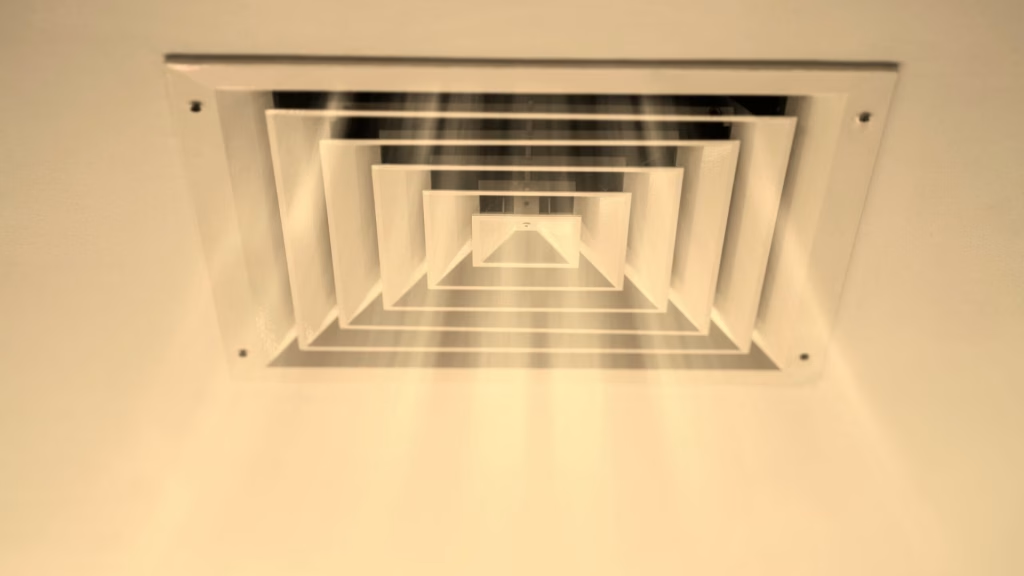
Understanding Indoor Air Quality
Indoor air quality refers to the condition of the air inside homes, offices, and other buildings. Common pollutants include:
- Particulate matter: Dust, pollen, and fibers that can trigger allergies.
- Volatile organic compounds (VOCs): Chemicals released from paints, cleaning products, and furniture.
- Carbon dioxide (CO₂): High levels can cause drowsiness and reduce cognitive function.
- Moisture and mold: Poor ventilation can trap humidity, promoting mold growth and respiratory irritation.
Without proper airflow, these pollutants accumulate, negatively impacting health and productivity.
How Ventilation Improves Air Quality
Ventilation is the process of exchanging indoor air with fresh outdoor air, either naturally or mechanically. Its benefits include:
1. Reducing Pollutants
- Fresh air dilutes indoor pollutants, preventing concentrations from reaching harmful levels.
- Effective ventilation systems filter out dust, pollen, and other airborne particles.
- VOC levels are reduced by replacing stagnant indoor air with cleaner outdoor air.
2. Controlling Humidity
- Proper airflow regulates indoor humidity, reducing excess moisture.
- Lower humidity prevents mold growth and inhibits dust mites, improving respiratory health.
- Balanced humidity also enhances comfort and preserves building materials.
3. Improving Oxygen Levels
- Ventilation ensures an adequate supply of oxygen, preventing fatigue and promoting alertness.
- High indoor CO₂ levels due to poor ventilation can impair focus, concentration, and productivity.
4. Enhancing Comfort and Well-Being
- Proper airflow distributes temperature evenly, preventing stuffy or overly warm spaces.
- Circulating fresh air reduces odors, improving overall comfort.
- Improved air quality contributes to better sleep, mood, and cognitive performance.
Methods of Ventilation
Natural Ventilation
- Opening windows and doors allows fresh air to flow through spaces.
- Effective in mild climates and when cross-ventilation is possible.
- Cost-effective but limited by outdoor air quality and weather conditions.
Mechanical Ventilation
- HVAC systems, fans, and air purifiers actively circulate and filter indoor air.
- Advanced systems can regulate humidity, filter pollutants, and maintain consistent airflow.
- Suitable for large buildings, commercial spaces, or areas with poor outdoor air quality.
Hybrid Approaches
- Combining natural and mechanical ventilation provides flexibility, energy efficiency, and optimal air quality.
- Smart sensors can monitor temperature, humidity, and air quality to adjust airflow automatically.
Tips to Optimize Indoor Air Quality
- Regularly maintain HVAC systems, including cleaning or replacing filters.
- Use exhaust fans in kitchens, bathrooms, and laundry areas to remove moisture and odors.
- Limit indoor pollutant sources by choosing low-VOC paints, cleaning products, and furnishings.
- Incorporate indoor plants to help naturally filter air, though this should complement ventilation, not replace it.
- Monitor indoor air quality using sensors to identify issues and make adjustments.
Conclusion
Proper ventilation is essential for maintaining indoor air quality, reducing pollutants, controlling humidity, and promoting overall health and comfort. Whether through natural airflow, mechanical systems, or a combination of both, ensuring effective ventilation protects respiratory health, improves cognitive function, and enhances well-being.
For guidance on optimizing indoor air quality, ventilation strategies, and healthier living environments, platforms like Callscroll provide practical advice and resources to help individuals and businesses create cleaner, safer, and more comfortable indoor spaces.